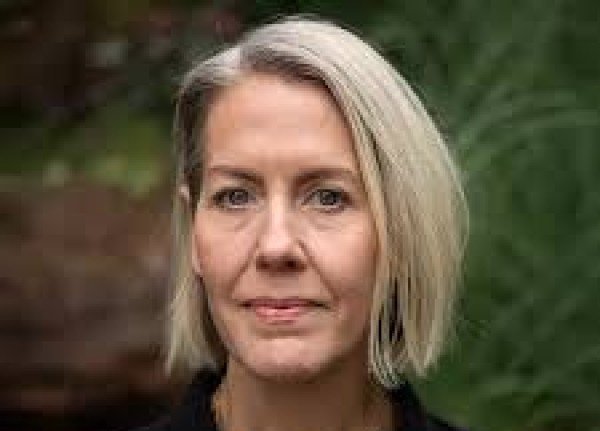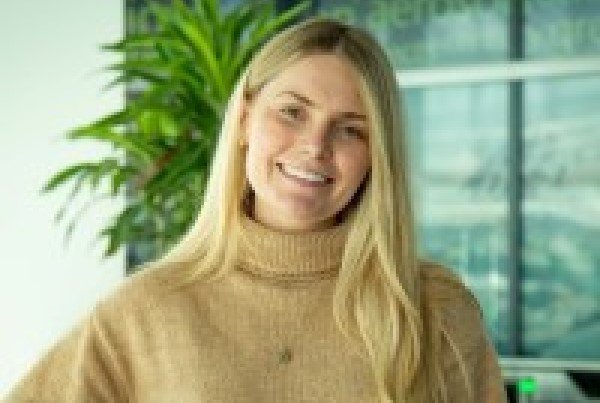
Kathryn Chalk
Kathryn Chalk is a UK operational meteorologist and weather presenter whose work brings forecast science into clear, useful language. She is known for her role with the Met Office, where she contributes to weather coverage for broadcast and digital audiences. Her path combines a science-based education, operational forecasting, media work and a close connection with the coast.
Chalk is known for the quality of her weather communication. She explains changing conditions in a direct way, helping people grasp what rain bands, wind direction, frost risk and temperature changes may mean for their day. Her on-screen work reflects years of training and a childhood ambition to work in meteorology.
Kathryn Chalk Early Life and Education
Chalk grew up in Hertfordshire, north of London. Her interest in weather began early. In her own account, a childhood visit connected with GMTV made her want to present forecasts. That ambition stayed with her as she moved through education and into professional work.
She studied Environmental Sciences, a subject that combines the study of land, water, air and climate. Her degree included a dissertation in meteorology, giving her a base in weather processes and scientific evidence. This academic route gave her the grounding needed for a technical field where accuracy matters.
Kathryn Chalk’s Move to Exeter
A move to Exeter became an important step in her journey. For Chalk, the move placed her closer to the coast and to a community shaped by outdoor activity.
The change gave her room to develop career and personal interests. It also introduced her to the beaches of Devon and Cornwall, where weather is never an abstract subject. Wind, swell, tides and visibility can change plans quickly, making local knowledge valuable.
Kathryn Chalk and the Route Into Meteorology
Meteorology requires more than an interest in clouds or a talent for speaking on camera. It demands an understanding of data, weather models, geography and uncertainty. Forecasting teams compare evidence from several tools before turning it into a practical message.
Chalk has described the long route from early ambition to qualifying as a meteorologist. That experience explains the steady tone of her presenting style. Weather broadcasts must be calm, precise and easy to follow, particularly when conditions may affect travel, work, sport or safety.
Kathryn Chalk Work with the Met Office
Kathryn Chalk works as an operational meteorologist with the Met Office. The job involves analysing conditions and turning complex weather evidence into forecasts that people can use. Recent Met Office coverage has credited her with explaining weather systems affecting the United Kingdom, including rain fronts, cold starts, showers and changing winds.
Her role also has a strong communication side. Forecasts must avoid technical clutter while still giving a fair picture of what may happen. A useful forecast helps someone decide whether to carry an umbrella, protect plants from frost, adjust travel plans or prepare for difficult coastal conditions.
Kathryn Chalk’s Media Team Role
Within the Met Office media team, Chalk has worked on forecast briefings for broadcasters such as ITV, Sky, STV and UTV, as well as scripts for weather broadcasts. This task sits between science and journalism. It requires a meteorologist to judge which detail matters most and to explain it without confusing the audience.
The work is important during unsettled periods. Strong winds, heavy rain, thunderstorms or icy mornings need simple language, but they also need care. A forecast should not cause panic, yet it must make risks clear. This balance is one reason trained meteorologists are central to weather broadcasting.
Kathryn Chalk on Screen and Digital Forecasts
Chalk’s work has extended to Met Office app forecasts and week-ahead weather videos. Modern meteorology reaches people through television, mobile services and online video rather than one daily broadcast alone.
Her presentation style is built on practical detail. A forecast has value when it explains timing, location and impact. Saying that rain will move south, winds will strengthen near coasts or a cold night may bring frost gives viewers a clearer basis for decisions.
Kathryn Chalk Surf Forecasting and Coastal Knowledge
Outside mainstream weather coverage, Chalk has created surf forecasts focused on south-west England. Her project, Kat’s Surf Forecasts, used video and social media to discuss weekend conditions, swell, wind direction and wave height. It offered a focused service for people who spend time in the sea.
Surf forecasting is not simply a smaller version of a national forecast. Conditions can change from one beach to the next. Offshore winds may improve waves at one location while onshore winds reduce quality elsewhere. Swell direction, period, tide and a surfer’s experience all affect whether conditions are suitable.
Kathryn Chalk, Surfing and Community Work
Chalk first tried surfing at Fistral Beach in Cornwall while she was living in Hertfordshire. She later named Saunton in North Devon as a regular place to surf and spoke of visiting Watergate Bay as her confidence grew.
Her surf videos also linked weather knowledge with community life. She has spoken of volunteering with The Wave Project and attending coastal events. This side of her work shows that meteorology can support safer, more informed choices for people who enjoy the coast.
Kathryn Chalk Age, Partner and Personal Boundaries
Kathryn Chalk has not confirmed her exact date of birth or age through a primary professional source. For that reason, figures shared by entertainment-style websites should not be treated as fact. An age without a clear source can be copied across many pages and become misleading.
The same care is needed with claims about a partner, husband or children. No dependable source names a current partner or confirms a marriage. Her work accounts focus on meteorology, broadcasting, surfing and outdoor interests. Respecting that boundary is more responsible than filling gaps with guesswork.
Kathryn Chalk Wikipedia and Online Claims
There is no verified English Wikipedia biography for Kathryn Chalk under her exact name at the time of writing. That does not reduce the value of her work. Many scientists and presenters do not have an encyclopaedia page, especially when they keep their private lives away from publicity.
Online biography pages sometimes attach an exact age, wealth figure or relationship label to a familiar name. These details need strong evidence. In Chalk’s case, the facts that stand firmly are her meteorology career, Met Office work, media communication, environmental science background and surf-focused forecasting.
Why Kathryn Chalk’s Work Matters
Weather communication affects daily life in small but important ways. It can help families plan journeys, help workers prepare for outdoor shifts and help coastal visitors think carefully about conditions. The best forecasts do not only name temperatures. They explain the change that is coming and why it matters.
Chalk represents a generation of meteorologists who can work with scientific data and speak naturally to a wide audience. Her career also shows that a personal interest, such as surfing, can deepen professional understanding. The coast gave her another setting in which weather knowledge becomes practical.
Conclusion
Kathryn Chalk has built her career through scientific study, professional training and clear communication. From Hertfordshire to Exeter, from a childhood goal to Met Office forecasts, her route shows the patience needed to work in a demanding field.
Her established work in operational meteorology and presenting is the core of her story. The facts that remain private, including her age and relationship status, should stay private unless she chooses to share them herself. What is already clear is that she has made weather science easier to understand for people across the United Kingdom.
About the Author